







What this Solution Fixes

logo
Manufacturing feasibility and cycle time risks during new product design
logo
Run robotic and human process simulations to validate manufacturing processes before production
logo
Limited visibility into human and machine interactions within manufacturing systems
logo
Model humans, robots, conveyors, tools and process elements in a simulation environment
logo
Pressure to meet time-to-market, cost, quality and start-of-production targets
logo
Use simulation to virtually validate and optimize manufacturing processes upfront
logo
logo

How Robotic & Human Ergonomics Simulation Works

As new product designs are introduced by engineering, it is important to evaluate those designs and then pass that information on to downstream systems and organizations. This is the start of the Digital Thread for a product. In this process, it is important not just to run engineering simulations on the product, but also manufacturing simulations.

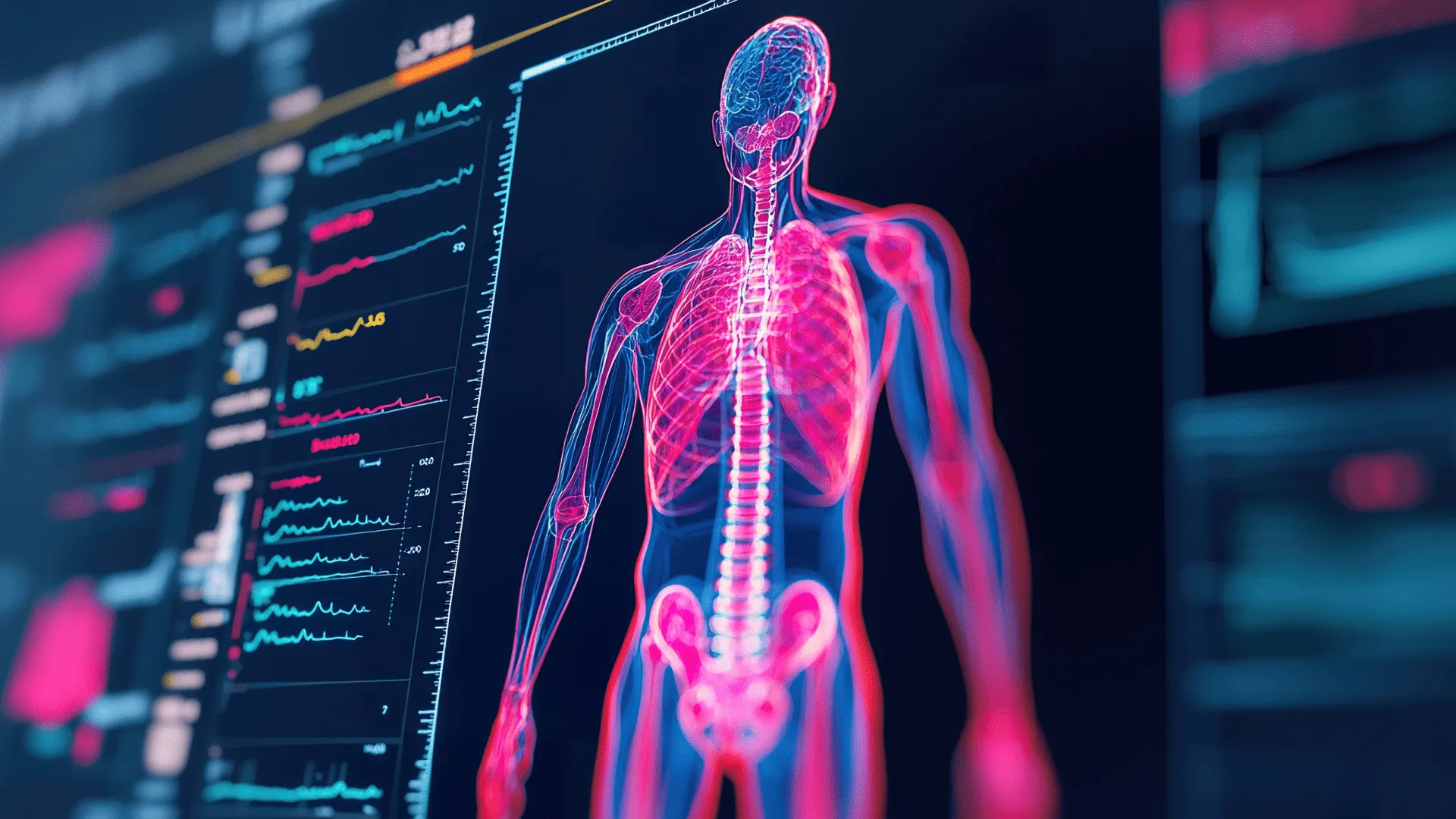
Can we feasibly build the product based on our design? Will it meet cycle time requirements that we are expecting? All of these questions can be answered by running simulations of the process within a simulation tool. The process simulation can take many factors into consideration, looking at both the human and machine manufacturing processes. Modeling humans, robots, conveyors, tools and other typical process elements is becoming critical during new product launches or introductions to truly understand the process and find ways to optimize it for business profitability.

What is Robotic & Human Ergonomics Simulation?

Robotic & Human Ergonomics Simulation is a technology-driven methodology that offers insights into real-world processes through the modeling of those processes in the digital world. Simulation modeling when it comes to robotic or human activities involves evaluating current circumstances, replicating the behavior of events and implementing algorithms that analyze and test scenarios for operational optimization. It is a technique used across a variety of industries to lower costs and improve decision-making.

The increased complexity of products and manufacturing processes presents world-class manufacturers with increasing challenges to minimize time-to-market and optimize asset performance. Manufacturing engineering teams are expected to enable flawless new product launches and adhere to cost, quality and start-of-production targets. To overcome these challenges, leading manufacturers leverage their organizational knowledge and the availability of 3D models of products and resources to virtually validate their manufacturing processes before they are deployed in the real world.

With new evolving technology, thousands of validation experiments can be conducted efficiently and almost automatically to ensure upfront production optimization.

Features of Robotic & Human Ergonomics Simulation Solutions

  • Robotic process simulation modeling
  • Human task simulation modeling
  • Resource measurement, design and modeling (2D, 3D, kinematics)
  • Bottleneck and issue detection analysis
  • Assembly and robotic path planning
  • Production line and workstation design
  • Static and dynamic collision detection
  • Human reach envelopes, vision window and postures
  • Event-driven simulation studies
  • Ergonomics and safety studies
  • Discrete and process event simulation
  • Sequencing of operations
  • Assembly time studies
  • Robotics studies on placement, reach, cycle times and offline programming
  • Validation of mechanical and electrical production processes (PLCs and robotics)
  • Validation of new production commissioning
  • KPI definition, monitoring and analytics reporting

Benefits of Robotic & Human Ergonomics Simulation Solutions

  • Detect and eliminate issues ahead of production
  • Minimize risks and costs in production
  • Maximize use of manufacturing resources
  • Optimize production cycle times and processes
  • Ensure ergonomically-safe processes for employees
  • Increase efficiencies and process quality
  • Reduce time-to-market
  • Drive smarter decision-making
  • Justify optimal investment initiatives
  • Maximize profitability for new product introductions

IndX Advantage

IndX specializes in applying simulation methods to operational systems, processes, facilities and enterprises. Our consultants help organizations identify opportunities in order to strategically employ simulation to study manufacturing processes and systems, giving teams the information and tools they need to drive real improvements.

AI robotic hand touching a digital screen
No items found.

Our Approach

1
2
3

Related solutions

No items found.

Luigi Manca

Director, Simulation & Decision Science
Luigi brings over 15 years of experience applying simulation, optimization, and decision science to complex industrial and operational problems across manufacturing and process industries. At IndX, he leads global simulation and digital twin initiatives, combining industrial engineering rigor with hands-on delivery in areas such as factory modeling, process optimization, and data-driven decision support.
talk with our experts
No items found.
No items found.
No items found.

Start Your Digital Thread With IndX

Fix execution at the source

When engineering, manufacturing, supply chain, and analytics run on disconnected data, problems compound downstream. IndX helps you establish a controlled digital thread that turns intent into reliable execution. Start with a free assessment call.
Thank you! Your submission has been received!
Oops! Something went wrong while submitting the form.